
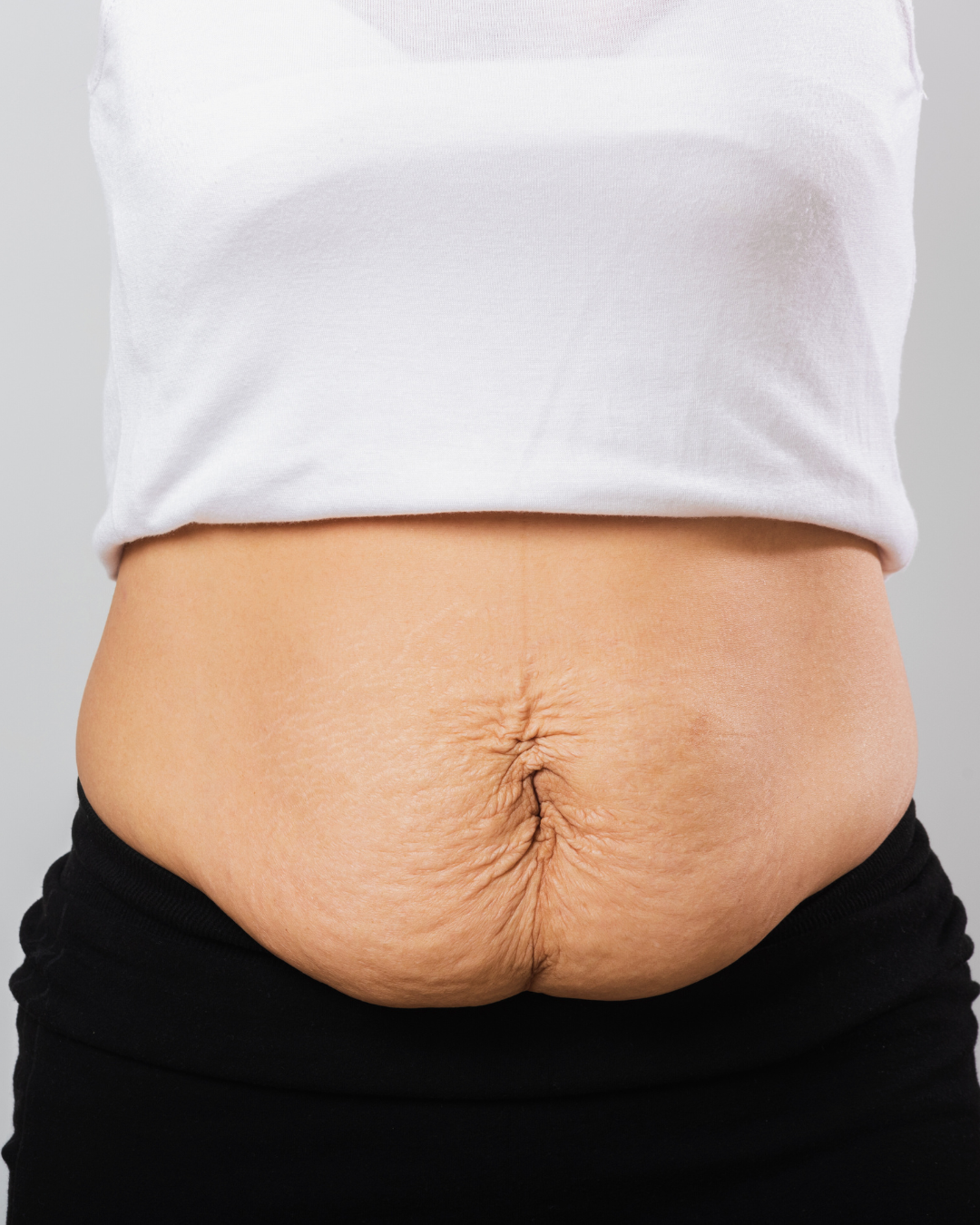
Losing weight is often a major milestone, one that reflects commitment, discipline, and significant personal change. Yet for many people, loose skin after weight loss can feel like an unexpected and frustrating part of the process. You worked hard to transform your body, but instead of feeling fully confident, you may notice areas that appear sagging, crepey, or less firm than you hoped.
This experience is far more common than most people realize. Skin does not always shrink back at the same pace as the body changes. Understanding why this happens, what influences skin elasticity, and what non surgical options exist can help you move forward feeling informed and supported.
Why Skin Changes With Weight Loss
Skin is a living organ, designed to stretch and contract as your body changes over time. During weight gain, skin expands to accommodate increased fat and tissue volume. When weight is lost, especially rapidly or in significant amounts, the skin may not immediately rebound.
Several factors influence how your skin responds. Age plays a role, as skin naturally produces less collagen and elastin over time. The amount of weight lost matters, as larger changes place more strain on the tissue. Genetics, sun exposure, smoking history, and overall health also contribute.
The speed of weight loss can impact the appearance of loose skin after weight loss as well. Rapid shifts in body composition may not give the skin enough time to gradually adjust. Areas most commonly affected include the abdomen, upper arms, thighs, and under the chin. In the face, volume loss can alter facial balance, making the jawline or cheeks appear less defined.
While some degree of laxity can improve gradually over months, it is important to recognize that skin has limits. It is elastic, but it is not infinitely elastic. Once stretched beyond a certain point, it may need support to regain a firmer appearance.
Collagen and Elasticity Explained
At the core of skin firmness are two key structural proteins, collagen and elastin. Collagen provides strength and structure, acting as the framework that keeps skin firm. Elastin allows skin to stretch and return to its original shape.
In youth, collagen and elastin are abundant and well organized. As we age, production slows and existing fibers become less resilient. When weight fluctuates significantly, these fibers are stretched and sometimes disrupted. If collagen and elastin are not robust enough, the skin may struggle to retract fully.
Hormonal changes, especially in midlife, can further affect collagen production. Reduced estrogen levels, for example, are associated with thinner skin and reduced elasticity. This is one reason loose skin after weight loss can feel more pronounced for individuals over forty.
The good news is that the body continues to produce collagen throughout life. Certain treatments and supportive strategies can stimulate new collagen formation, encouraging gradual improvement in firmness and texture. While this does not recreate teenage skin, it can significantly improve tone and overall appearance.
Timing and Prevention Strategies
If you are currently losing weight, there are steps you can take to support your skin along the way. Gradual weight loss allows tissues more time to adapt. Strength training helps preserve muscle mass, which can create a smoother, firmer look beneath the skin. Adequate protein intake supports collagen production, and staying hydrated helps maintain skin suppleness.
Topical products may improve surface texture, but they do not penetrate deeply enough to dramatically tighten significant laxity. That said, a consistent skincare routine that includes sun protection is important. Ultraviolet exposure accelerates collagen breakdown and can worsen skin thinning over time.
Timing matters when considering professional treatments. Many providers recommend waiting until your weight has stabilized for several months before pursuing targeted tightening procedures. This allows your body to settle into its new baseline and ensures treatments are directed appropriately.
It is also helpful to manage expectations. Mild laxity may improve naturally within six to twelve months after weight loss. More pronounced sagging often benefits from intervention. A personalized consultation can help determine the best approach based on the amount of laxity, your age, and your overall goals.
Non-Surgical Tightening Options
For individuals seeking improvement without surgery, several non surgical options can stimulate collagen and support body firming. One widely used technology is Morpheus8 for skin tightening. This treatment combines radiofrequency energy with microneedling to target deeper layers of tissue, encouraging new collagen remodeling over time.
Morpheus8 for skin tightening can be used on the face and body. On the abdomen, thighs, and arms, it helps improve skin texture and firmness. On the face and neck, it can refine contour and support facial balance by addressing mild to moderate laxity. Results develop gradually over several months as collagen rebuilds.
Radiofrequency based treatments in general are popular for their ability to heat deeper tissue layers without surgery. This controlled heat triggers a healing response, leading to increased collagen and elastin production. Multiple sessions are often recommended for best results.
Other supportive modalities may include injectable biostimulators that encourage collagen formation, or energy based treatments that promote tissue contraction. The goal is not to create a surgically tight appearance, but to enhance firmness and improve overall tone.
For some individuals with significant excess skin, surgical removal may ultimately be the most effective solution. However, many people find that non surgical approaches provide meaningful improvement, especially when combined with healthy lifestyle habits.
Supporting Skin During Transformation
Weight loss is rarely just physical. It often represents a deeper commitment to health, confidence, and self care. Supporting your skin during this transformation means taking a holistic approach.
Nutrition plays a foundational role. Adequate protein, vitamin C, zinc, and other nutrients are important for collagen synthesis. Strength training continues to be one of the most effective ways to support body composition, improving muscle tone beneath the skin.
Hydration, sleep, and stress management influence skin health as well. Chronic stress and poor sleep can impair the body’s natural repair processes. While no single strategy eliminates loose skin after weight loss, consistent supportive habits contribute to better overall outcomes.
It is also important to consider facial changes. As body fat decreases, facial volume may diminish, sometimes creating hollowing or a tired appearance. Subtle treatments that restore volume or support collagen can improve facial balance, helping the face reflect the health gains achieved elsewhere in the body.
Body firming treatments are not about perfection. They are about supporting the skin so it better matches the effort you have invested in your health journey.
Confidence Focused Outcomes
The emotional side of loose skin after weight loss deserves attention. Many people feel proud of their transformation, yet self conscious about remaining laxity. It can feel like a reminder of where you started rather than a celebration of progress.
Confidence focused outcomes shift the conversation. Instead of aiming for flawless skin, the goal becomes improvement that supports how you feel in your body. Even modest tightening can make clothing fit more comfortably and enhance self assurance.
Open conversations during consultation are essential. Discuss what bothers you most, what you hope to achieve, and what level of change would feel meaningful. A realistic plan, grounded in science and personalized to your needs, builds trust and satisfaction.
Most importantly, remember that your body has accomplished something significant. Skin changes are not a failure. They are part of the process. With the right support, many people see noticeable improvement and feel more at ease in their new shape.
If you are navigating loose skin after weight loss and want to explore supportive options, schedule an appointment with our team. We will evaluate your goals, discuss collagen and elastin support, review treatments such as Morpheus8 for skin tightening, and create a plan tailored to you. Your transformation deserves care at every stage.






Be the first to comment