
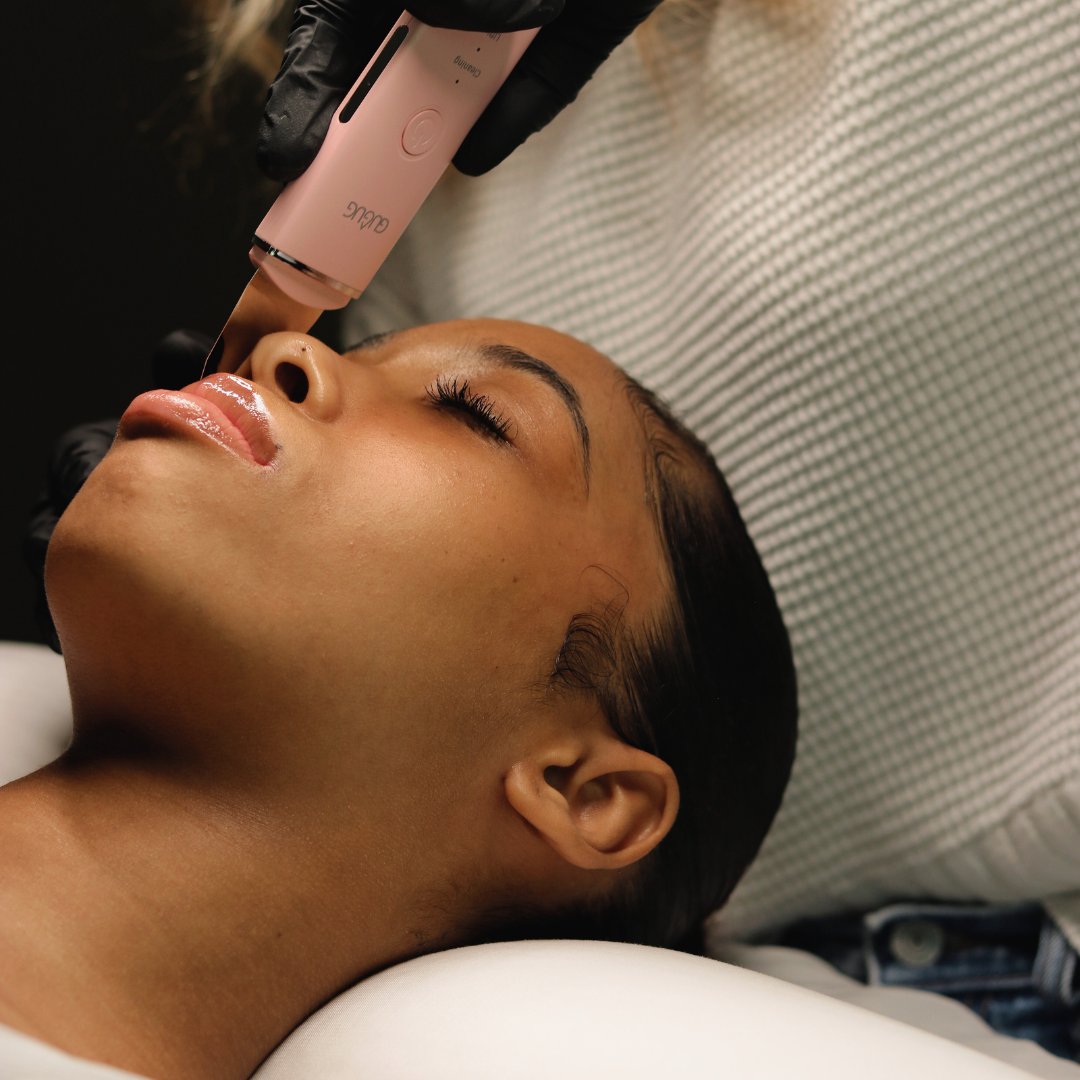
The conversation around aesthetics is changing, and for good reason. More women are searching for aesthetics that align with wellness, not as a way to chase perfection but as a way to feel supported during seasons of physical change. Weight loss, hormonal shifts, and metabolic healing can bring meaningful improvements in health, yet they often come with unexpected changes to the skin, face, and body. When aesthetics are approached as restoration rather than vanity, they become a natural extension of whole body care instead of something separate or superficial.
For many women, the mirror becomes confusing during periods of transformation. The body may feel stronger or lighter, energy may improve, yet the skin can appear thinner, looser, or less vibrant. These changes are not a failure of the process. They are a reflection of how deeply connected skin health is to hormones, collagen, metabolism, and time. A thoughtful aesthetic approach honors that connection and supports the progress happening beneath the surface rather than working against it.
Aesthetics That Align With Wellness As Restoration Not Vanity
The way we talk about aesthetics is shifting, and honestly, it is a welcome change. More women are moving away from the idea that aesthetic care is about fixing flaws or chasing a younger version of themselves. Instead, there is growing interest in aesthetics that align with wellness, approaches that feel supportive, thoughtful, and grounded in how the body actually works.
Weight loss, hormone changes, and metabolic shifts can be incredibly positive for overall health, yet they often bring unexpected changes to the skin and face. You may feel better in your body, have more energy, or notice improvements in how your clothes fit, while at the same time feeling surprised by looser skin, facial volume changes, or skin that looks thinner or more tired. These experiences are common, and they are not a sign that something has gone wrong.
When aesthetics are approached as restoration rather than vanity, they become part of caring for yourself through change. They support what your body is already doing instead of trying to override it. This perspective creates space for patience, confidence, and results that feel natural and believable.
Why Aesthetics Should Support Internal Health
Skin does not exist in isolation. It reflects what is happening inside the body every day. Hormones, inflammation, hydration, circulation, nutrition, and stress all influence how the skin looks and feels. When those systems are shifting, the skin responds, sometimes before you even feel changes elsewhere.
That is why aesthetic care works best when it supports internal health rather than trying to compete with it. During periods of weight loss or hormonal adjustment, the body is busy recalibrating. Energy is directed toward balance and repair. Collagen production may slow, oil levels can change, and the skin barrier may feel more fragile for a time.
A wellness aligned aesthetic approach respects that process. Instead of asking the skin to do too much too fast, it focuses on strengthening and supporting it. Treatments are chosen to encourage recovery, resilience, and gradual improvement. This allows the skin to catch up with the progress happening beneath the surface.
This mindset also removes pressure. Aesthetics stop being about perfection and start being about care. The goal is not to look different, but to look like yourself again in a way that feels consistent with how you are taking care of your health.
Skin Changes During Weight Loss And Hormonal Shifts
Weight loss and hormone changes are two of the most common times women notice visible changes in their skin. These shifts can feel confusing, especially when you are doing things that are meant to support your health.
When weight is lost, especially at a steady or significant pace, fat volume that once supported the skin begins to decrease. This can affect the face, neck, abdomen, arms, and thighs. Areas that once looked fuller may appear softer or looser as the skin adjusts to the new structure underneath.
Hormones add another layer. Estrogen plays a major role in skin thickness, hydration, and collagen production. As estrogen levels fluctuate during perimenopause, menopause, or metabolic stress, skin may feel drier, thinner, or slower to recover. Testosterone and progesterone also influence muscle tone, oil production, and texture, which affects how skin sits and moves.
None of this means your health efforts are harming your appearance. It means your skin is responding to change and needs time and support. Understanding this helps prevent rushing into aggressive treatments out of frustration. With the right timing and approach, the skin can regain strength and balance without drastic intervention.
Collagen And Elastin Explained In Simple Terms
Collagen and elastin are often talked about in aesthetics, but their role is sometimes misunderstood. Collagen gives the skin structure and firmness. Elastin allows it to stretch and return to shape. Together, they help skin look smooth, supported, and resilient.
Both collagen and elastin naturally decline over time, but that process is influenced by more than age alone. Hormonal changes, inflammation, nutrient deficiencies, stress, and rapid weight changes can all affect how quickly these proteins break down and how efficiently the body rebuilds them.
During weight loss or hormone shifts, collagen production can temporarily slow as the body focuses on more immediate needs. This is why skin may look less firm or feel thinner even when overall health is improving. The good news is that collagen production can be supported with the right combination of internal care and gentle external stimulation.
What matters most is how that stimulation is done. Treatments that encourage collagen gradually and respectfully tend to produce better long term results than aggressive approaches that create excessive inflammation. Skin responds best when it feels supported, not pushed.
Non-Invasive Aesthetic Options That Restore Confidence
Restorative aesthetics focus on strengthening skin rather than changing it. The goal is to help the skin adapt to changes in the body, not to mask or fight them.
Morpheus8 is a good example of this approach. It uses microneedling combined with radiofrequency energy to stimulate collagen deep within the skin. Instead of adding volume or altering facial features, it encourages the skin to rebuild its own support structure. This makes it especially helpful for women noticing laxity or texture changes after weight loss or hormonal shifts.
Corrective facials are another important piece. These treatments focus on barrier repair, hydration, circulation, and gentle stimulation. They help calm inflammation, improve tone, and support skin health during times of transition. Rather than promising dramatic overnight results, corrective facials work over time, helping the skin become stronger and more resilient.
Together, these treatments help restore confidence in a subtle way. You begin to recognize yourself again. Your skin looks healthier and more supported, reflecting the care you are giving your body overall.
Why Cosmetic First Approaches Often Miss The Mark
It can be tempting to start with cosmetic treatments when appearance changes feel uncomfortable. However, jumping straight into aggressive aesthetic procedures without addressing timing and context often leads to disappointment.
When the skin is already under stress from hormonal shifts or metabolic change, doing too much too soon can prolong inflammation and slow recovery. Results may look unnatural or fail to last, reinforcing the feeling that something is wrong.
A restorative approach avoids this cycle. It prioritizes stabilization first, then introduces aesthetic support once the body and skin are ready. This leads to better healing, more natural outcomes, and a stronger sense of trust in the process. Aesthetics work best when they are layered thoughtfully and intentionally.
Aesthetic care does not have to feel superficial or disconnected from your health. When approached as restoration, it becomes a way to support your skin through change and honor the progress you are making. If you are navigating weight loss, hormone changes, or shifts in your skin and want an approach that feels supportive and grounded, we invite you to schedule an aligned aesthetic consultation. Together, we can create a plan that helps you feel comfortable, confident, and at home in your skin.






Be the first to comment